Real sys admins know this pain (rm suffers no fools) and accept the consequences of recovering from backups as pennance. No backups? Then you aren’t really a sys admin then, are you?
Once I had to restore an entire organization from shadow copies because the IT director didn’t believe in off-site backups or using endpoint protection. The whole network got a ransomware that included the backups, but did not include the shadow copies on the main file server.
At least I got to help them build a disaster recovery procedure, and pick out a new EDR.
Are shadow copies like snapshots?
Yeah, shadow copies on Windows servers are snapshots of files. They allow users to see previous versions of a file.
It’s not really intended as a backup solution on its own, but some backup software does use the volume shadow copy service (VSS) to perform backups on Windows servers.
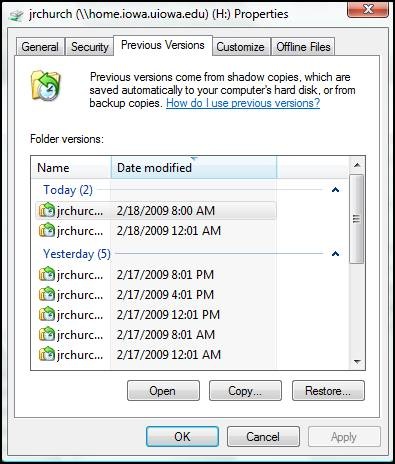
I was basically restoring files from this prompt in Windows.
Thanx
Next time I’m about to criticize the judgement of a video game boss for having an exposed weak point with a neon orange glow, I’ll think about a sysadmin with no backups. Stupidity adds realism.
The best part is when you do something like
rm path/to/dir/*and after pressing enter you notice there is actually space before the*.trash-cliis your friend.
Don’t forget the dot files and directories. Use sudo in case of trouble…
sudo rm -rf .*(Don’t actually do this, because some shells will take that to include
.and..recursively)Oh god…why would you not just
cd ..andrm -rthe directory name?When your wiping recycle bin and then run that command…
US government, people
They probably dragged a shared folder in the bin on windows or something
They moved a shortcut to a folder into their recycling bin. Tracks covered
shredis what you should be using if you really want to destroy a file, but I’m actually not sure that works well on all filesystems.I’m pretty sure FAT32 and NTFS leave behind partial file artifacts when you edit/append data, and especially when you physically move it around.
It just seems inevitable you’ll leave behind deleted blocks with data, which only a fulle drive wipe would guarantee removal.
Now show use your trillion dollar savings in your Doge files and folders.