
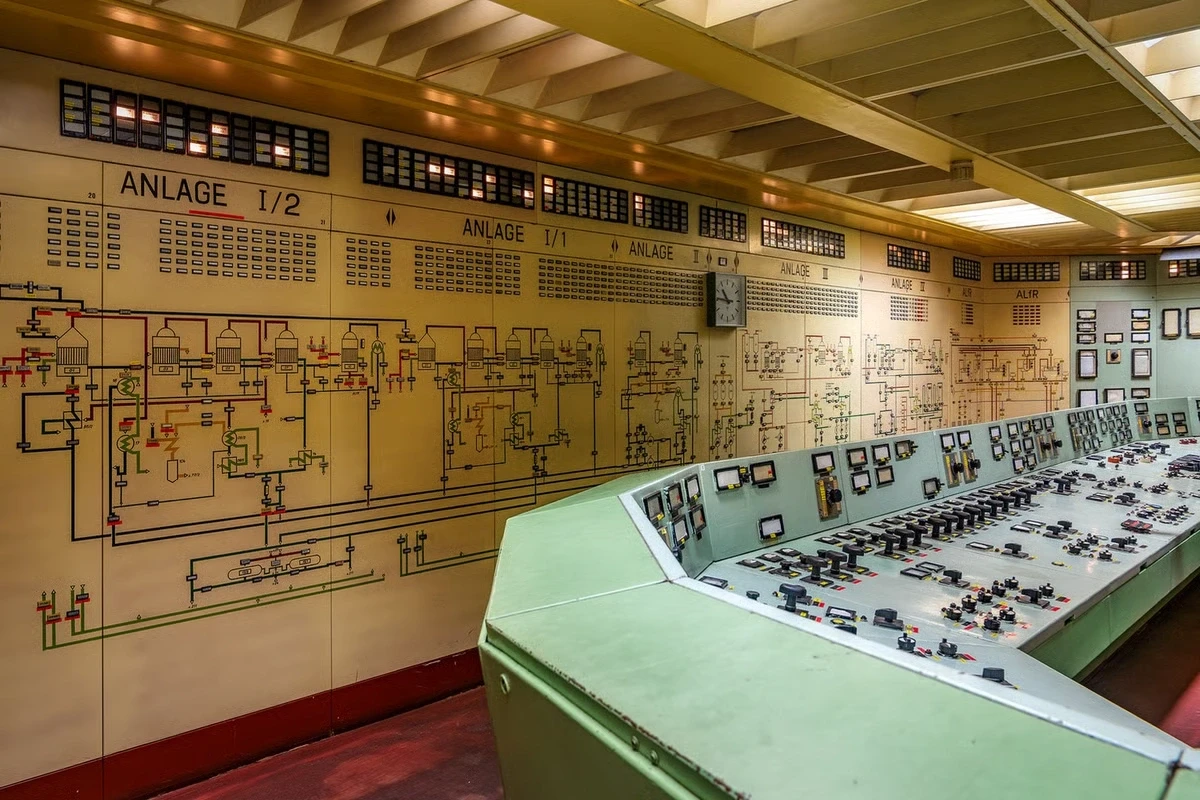
Of course, it’s almost invariably the opposite. 😄
I.e., ST TOS stole the idea and used it in the engineering room, most commonly.
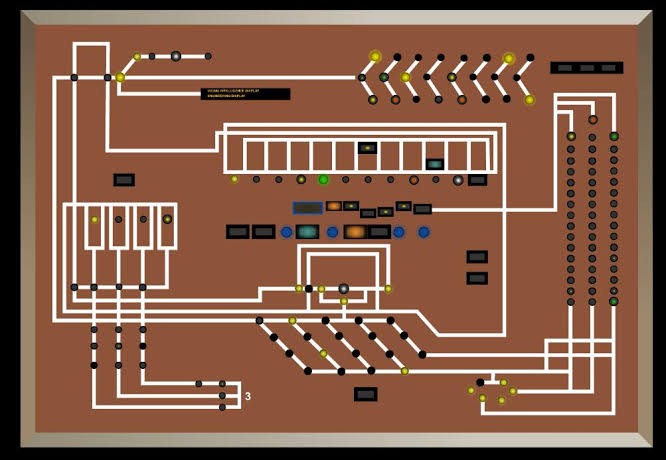
Many more examples of these control rooms here:
https://kottke.org/26/10/so-many-amazing-control-rooms
Of course, it’s almost invariably the opposite. 😄
I.e., ST TOS stole the idea and used it in the engineering room, most commonly.
Many more examples of these control rooms here:
https://kottke.org/26/10/so-many-amazing-control-rooms
I’ll make you a deal-- I feel natural when it comes to the arts, philosophy, writing, history, logic puzzles, dancing, singing, and so forth, but try as I might, I’ve BARELY been able to learn electrical diagrams and flow diagrams across my life, so let me leave that expertise to you? 😅
(and don’t we all kinda form silly team-ups like that amongst our friends & family? each with our silly strengths and weaknesses, in order to form a ‘whole?’)
I hope you liked the other pics in link… to me they were equally boss!
Thanks, I really enjoyed the other pictures too. Modern control rooms are just a bunch of displays and keyboards in a row. The old ones were all custom made, which gave them plenty of character.
Technical diagrams can be hard to read, and they probably aren’t going to get any simpler in the future as we keep on adding more layers of complexity to every factory and plant. Don’t know about electrical diagrams though, since I haven’t needed those very often.
I remember in the wake of my trying to understand circuit boards that I came across one that looked different. Upon closer inspection, it was actually multiple circuit boards all packed together, wafer-thin. Machine / robot-produced of course. That was in the 90’s, I think. I don’t know how someone might possibly un-encrypt / understand the exact set of those circuit planes without… some sort of special tools, I imagine.