- 5 Posts
- 13 Comments

 2·1 month ago
cynically true :)
yes thats a good idea, we actually made an FAQ that sits with our docs…I want to monitor to see if this helps people navigate some of these questions:)
hm…great points, thanks for taking the time to answer.
From the perspective of a user, why would they care about development speed?
Yes, the tool is already developed but it will continue evolving right? I mean, we almost make 2-3 releases every month since we shipped the first version and then open sourced. So the speed still counts. Plus, the users who create the tickets and expect them to be tackled are actually developers themselves. So yeah, the ability to deliver (at a good pace) to these folks matters a lot.
However - YES, if at some point the tool is at a state that the speed becomes less meaningful or useful, then indeed a change might be needed?
As for platform consistency, again, why would the user care?
Yes, since our users are Dev (and QA) folks, we thought that yeah, maybe someone could have different systems for work vs home vs side project (as you said). But another aspect that we thought is teams and collaboration. We didn’t want to have a scenario in which a team can not use it before some of the devs are using macs, others linux vs the QA folks using windows etc.
What I’m getting at is that the concerns of developers will not always be equally concerning to users.
Thats the heart of the discussion:) I guess because our users are also developers. :)
thanks! well, the feedback and the questions did not come from lemmy per se but in general. And yes, I agree with you. People do have strong opinions and this is more a question for me - as I often feel that perhaps there is some “better” way to explain or show the impact of the decision. (and explain the trade off). But I think that ultimately you are saying one simple (but very important) thing: that you can not please everyone :)
Yeah, honestly, sometimes I feel frustrated trying to explain it, because I know some people will never be satisfied. I just want to be transparent about the tradeoffs and let people SEE the actual usage (even if it will indeed not convince everyone).

we are indeed looking at the docs again. To begin with we focused on the tool itself so some of the examples that you see can indeed be worth revisiting and re writing. :) But I hope you can focus and zoom in to the tool itself and see how this can help you with your API workflows.
 3·2 months ago
yeah, do agree with part of it. Without HashiCorp Terraform, we probably wouldn’t have OpenTofu at least not in the form it exists today. In that sense, VC money did indeed help bootstrap something that eventually became broader open infrastructure.
You could argue the same happened with Elasticsearch leading to OpenSearch, or Redis eventually leading to Valkey.
So yes, venture funding can indeed accelerate the creation of useful open ecosystems.
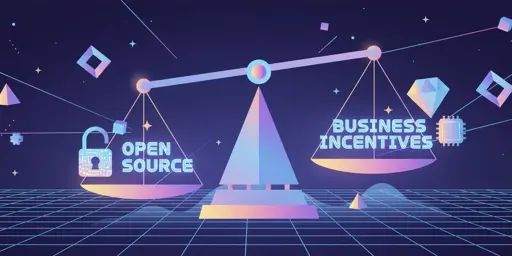
The tension I am pointing to is more about the transition phase. When a project grows under the assumption of being open community infrastructure and then the business incentives shift later, it tends to create friction: license changes, forks, community distrust, etc.
Forks are actually a feature of open source: they are like the ecosystem’s pressure valve. (But they also show that the incentives between companies and communities drifted apart at some point.)
So I would frame it less as “VC-funded open source is bad” and more as: “VC-backed projects often bootstrap great ecosystems, but the sustainability model tends to get figured out later, and that’s where things get messy.”
In some cases we end up with something great like OpenTofu. In others we end up with fragmentation and uncertainty. Both can happen.
true as well
 3·2 months ago
You either die a hero or live long enough to become the villain?
yes :) welcome to try
welcome to try and share your feedback here or here: https://github.com/VoidenHQ/voiden :)
yap, I think the plain text all the way from design, tests and docs is powerful. Looking forward to any thoughts you might have when you try.
yeah, around 11k installs so far - and a few committed and opinionated contributors :) - hope you give it a try.