

cross-posted from: https://feddit.org/post/36667361
cross-posted from: https://lemmy.zip/post/73150694
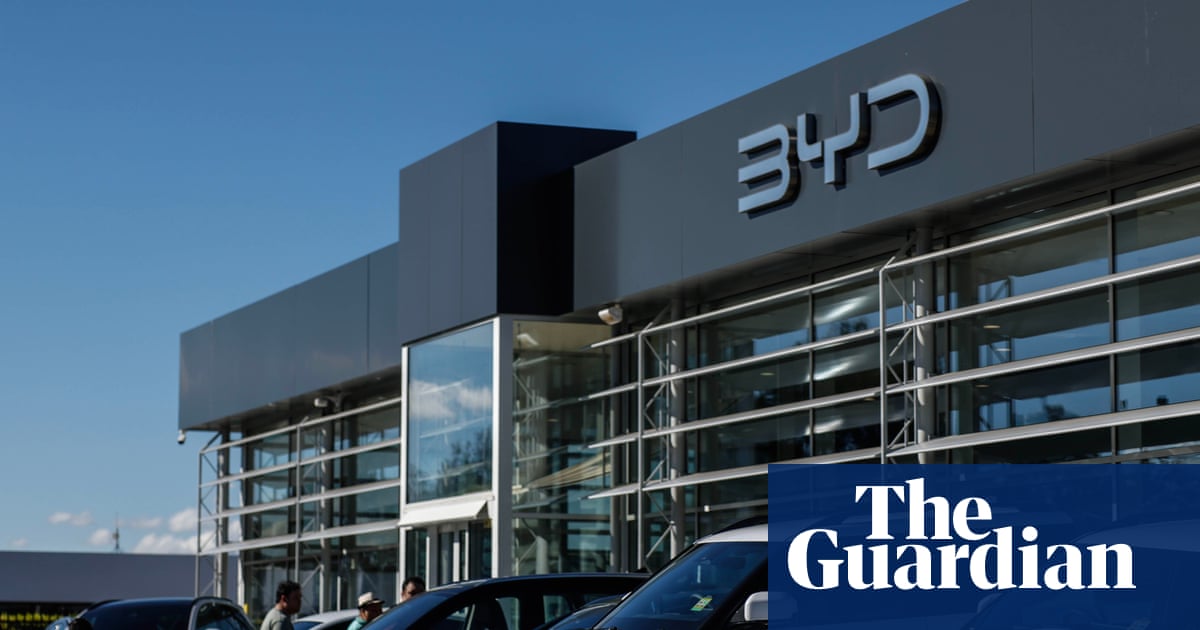
Electric vehicle sales are surging in Australia, powering a transition that goes beyond fuel savings to become an unexpected tool to combat high inflation.
The abrupt shift away from petrol and diesel vehicles, accelerated by elevated fuel costs caused by the Iran conflict, is being supported by an influx of cheaper EVs that is reducing associated costs such as insurance.
Unexpected, really? The “energy transition” is mostly economically motivated: in that it (indirectly) forces consumers to invest into “new” technologies (while abandoning functional appliances, substituted for newly produced ones, and infrastructure accommodating for it; carbon emissions of which rarely taken into account); and effectively spending their savings for them (if not forced to enter into a loan agreement).
The disruptions in fossil fuel supply from Russia and the Middle East (which are at least in part self-inflicted), just further “incentivize” those that are primarily financially motivated (don’t “care for the planet”). Another primary interest, if not obsession, is governments’ and insurance companies’ push for a V2X (vehicle to everything) enabled fleet: constantly monitoring and communicating with surrounding vehicles and infrastructure (directly, or through mobile carriers).
That is a crazy thought.
Gas engines already are the wet dream of any company. There are few things that could top that.
You are lcoked in in terms of fuel as it requires a tremendous supply chain without any alternatives.
This fuel source also is ONLY used for vehicles which makes the market smaller and reduces leverage for the the consumer.
It required by design a significant amount of wear and spare parts.
It requires regular services and for new cars even OTP s that allow to service them
Its a mature market where no really new manufacturers have showee up on decades.
BEVs break a lot of these dependences and thats why you see so much movement and new parties in the market.
When solar energy is low, the energy is likely to come from a plant powered using fossil fuels. So instead of tanking LPG at a station, it’s converted to electricity and transported to a charger. Internal combustion engines can also run on alternative fuels, but the practice isn’t that common (think of running a diesel engine on vegetable oil); or may be further optimized to run extremely lean (requiring less visits to a gas station: if the fuel doesn’t degrade through volatility of octane-increasing additives).
I’m not really trying to make the argument that ICE-powered vehicles are superior to EVs (or the other way around for that matter), but rather that modern vehicles (regardless of energy source) are fundamentally anti-consumer (dealership lock-in, expensive replacement assemblies, on-board surveillance-tech monitoring and sharing user-data, etc.), compared to legacy vehicles (which just happen to be ICE-powered).
If it was the other way around, ICE-power vehicles would catch the heat instead; if used to force a change in fleet, arguably for economic reasons and increased control (to manufacturers, and by extension legislators and insurance companies). And this isn’t just limited to vehicles, but also insulation of homes, how energy is metered therein (“smart” meters: allowing for disproportionality in rates), or replacement appliances utilizing that energy (supposedly in more energy-efficient ways: if working in optimal conditions).
