Finishing an item on an assembly line every 6 seconds does not mean it only takes 6 seconds to assemble the item. It only means that the slowest step of the process takes a maximum of 6 seconds/item to complete.
I was considering parallel processes in the same facility as a single production line in this case, as the article seems to consider the production mentioned as a single line…but yes, if it is indeed split between multiple lines producing the phones entirely and in parallel that is the case.
That was my reaction to the headline. Then I read the article:
Xiaomi said assembling a smartphone from circuit board to finished product takes about six seconds, and, at full capacity, the factory could produce more than 10 million devices annually
They are indeed stating each phone only takes 6 seconds to complete
With ~30 million seconds in a year, their output is 1 phone every 3 seconds


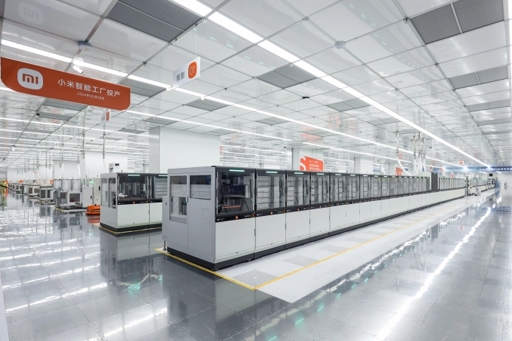
Finishing an item on an assembly line every 6 seconds does not mean it only takes 6 seconds to assemble the item. It only means that the slowest step of the process takes a maximum of 6 seconds/item to complete.
Not even that. For example if there are 10 assembly lines in parallel that the slowest step takes 60 seconds, you still get a phone each 6 seconds
I was considering parallel processes in the same facility as a single production line in this case, as the article seems to consider the production mentioned as a single line…but yes, if it is indeed split between multiple lines producing the phones entirely and in parallel that is the case.
That was my reaction to the headline. Then I read the article:
They are indeed stating each phone only takes 6 seconds to complete
With ~30 million seconds in a year, their output is 1 phone every 3 seconds