- cross-posted to:
- homeassistant@lemmy.world
- cross-posted to:
- homeassistant@lemmy.world
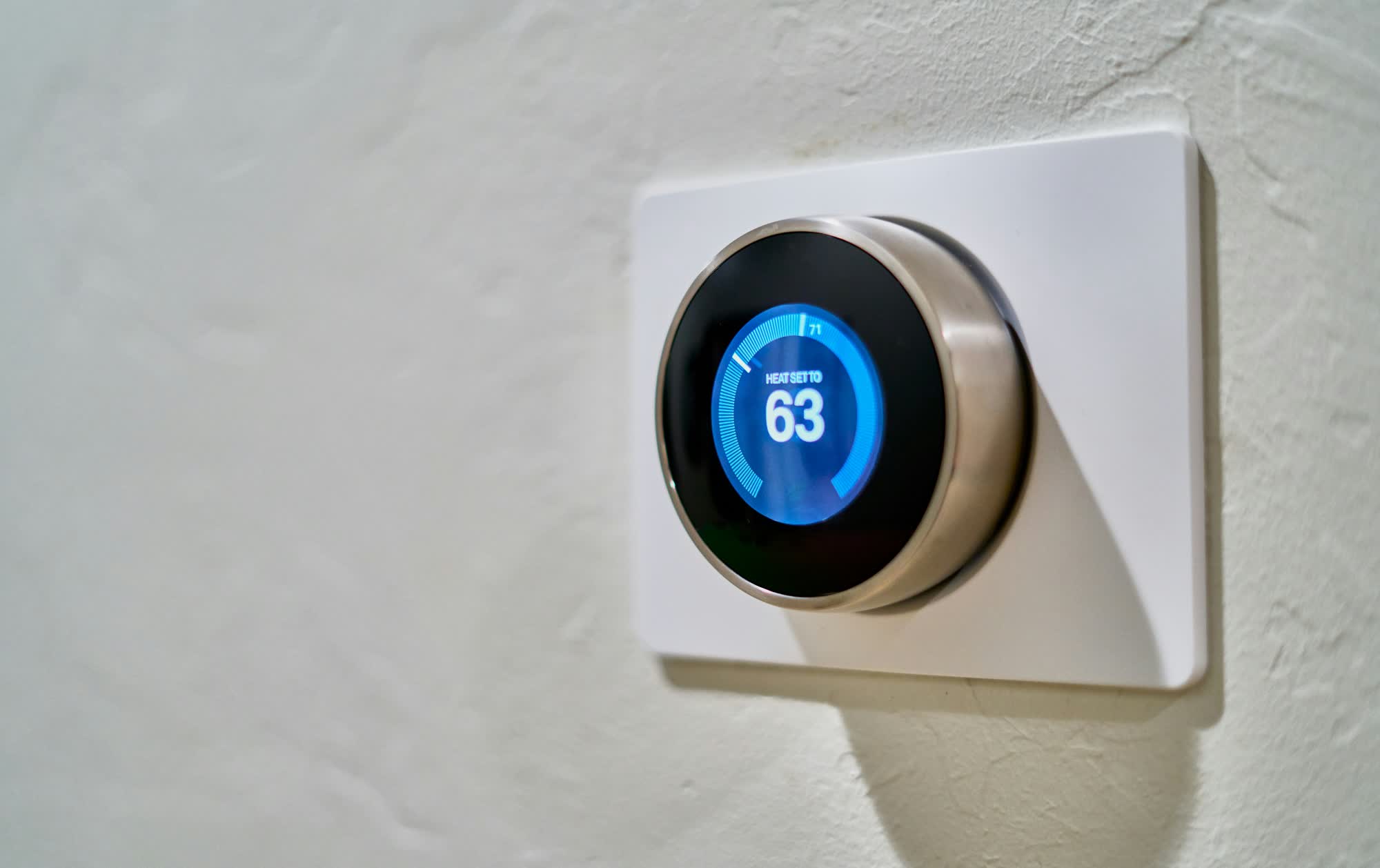
Google announced the end of support for early Nest Thermostats in a support document earlier this year that largely flew under the radar. As of October 25, first and second generation units released in 2011 and 2012, respectively, will be unpaired and removed from the Google Nest or Google Home app.
Users will no longer be able to control their thermostats remotely via their smartphone, receive notifications, or change settings from a mobile device. End-of-support also disables third-party assistants and other cloud-based features including multi-device Eco mode and Nest Protect connectivity.
You must log in or # to comment.
On the other hand, one can understand why Google doesn’t want to continue to pour resources into an ancient platform just to keep it on life support.
Bullshit. “Pour” my ass. Issue a legacy build of the app that controls them and walk away. What horseshit. This is shameful. The only reason it won’t blow up into a huge debacle is that these products targeted wealthy early-adopters in the first place and those folks can afford to upgrade, and most probably already have.
Absolutely fucking correct… You can maintain locks on my so-called smart devices for as long as you maintain your services… You want to pull the plug, you should be forced to open source and expose the tech so that we can keep it working on our own private servers. Proprietary tech is a bullshit excuse as well… The vast majority of these devices are about 10% of in house code riding on 90% of open standards, protocols, and packages. None of them are building the wheel from scratch.
For fucksake most of these devices could easily be implemented on decentralized architecture, if it wasn’t for all the pesky data mining they are doing
Except in the UK you can’t as they don’t sell them. They also ended UK support for their smoke detectors as well.
I switched to opentherm hardware and its now on my HA properly rather than via the cloud.
I did get a good ten years out the Nest hardware, I consider that reasonable for what it cost. Sure old fashioned controllers last longer, but i want the smart features
Dumb thermostats last for multiple decades.
As do smart thermostats that don’t rely on the continued goodwill of any corporation to function.
Which ones are those?
My Honeywell one is not Internet connected, but it seems plenty smart. It knows the time and day, is programmable for four different periods each day, can handle all sorts of heating and cooling equipment. It also learns how long it takes to get your house to the right temp, then starts working before then to make it happen when the time arrives.
I saw the photo with a person for scale and I thought…why?
One of the apartments I lived in had a Honeywell wifi connected one that worked pretty well.
Z-wave thermostats don’t require Internet connectivity to function or control remotely. They do require something like Home Assistant for that remote control.
Yup, this is what I just did. Replaced my two first generation Nests with Z-Wave Honeywells.
Anything that supports HomeKit should work indefinitely. I have an ecobee4 that works great with Home Assistant via HomeKit.
Surprisingly, these still work as dumb thermostats after the cutoff date.
I’ve got one of those with bi-metallic strips, it’s 35 years old, works no problem.
This isn’t “end of support.”
This is “loss of functionality.”
Totally inexcusable.
Samsung did something similar with one of their tablets when they remotely removed an app that provided an IR remote function - a primary reason for my purchase. Samsung’s support not so politely told me, “Too fucking bad.” when I objected.
There was something I could do about it though. Even though a replacement 3rd party app was less than $5 I haven’t purchased another Samsung consumer product or service in almost a decade.
They were rude to you about it too? Jesus. I’m pleased to say I’ve never bought any Samsung product.
As most of our tech.
Being someone that yield to my tech stuff as long as possible I really love to live in a world where a company is forced to opensource everything related to a specific product if they opt to stop maintaining it.
Tech feudalism needs to be made 100% illegal.
Laissez-faire means it’s up to the (stupid) customers to stop buying this crap just because businesspeople told them to.
Unfortunately, customers just aren’t that smart despite how much excess wealth they may have.
Sort of, but we don’t have laissez-faire capitalism.
Might as well just go to rent a center instead of buying smart shit.
This is yet another example of businesspeople taking laypeople for a ride. They want a lifeline to your wallets.
I’m imagining some poor rube who bought fully into the IoT. Like every appliance they own is smart. Then one day they wake up to their entire house no longer functioning because the smart devices can’t connect to whatever services they need. Can’t even work the smart locks on their doors.
I was never able to really make all that stuff work in the first place so I’ve got three “smart” bulbs I bought in maybe 2018 that still (mostly) work, and am generally switching my smart plugs to mechanical timers because I only really use them for grow lights.
I do feel better about being away from home overnight in winter with my weather station (which includes a sensor inside the house) but everything adds nothing to my life at all.
Pretty much happening if support disappears for 2.4GHz wifi. Most of these smart devices require it, and many wifi routers don’t even bother transmitting it unless you specifically activate that option.
This sort of thing is one of the reasons I chose a RainMachine irrigation controller over other options, because they specifically marketed their cloud-independent firmware design. It was vindicated a couple years ago when they started going defunct and grasped for recurring revenue by billing for proxied remote access, but even then they emphasized that everything else would continue to function without their servers.
The onus is on the consumer to reward cloud-independent designs like this. While it has been sad to see RainMachine’s collapse, my device indeed just keeps working. Hopefully it isn’t ultimately killed by firmware or app security vulnerabilities since it’s now thoroughly unmaintained.
The problem is, the real money is in either the data that it acquires or in recurring monthly costs.
Unfortunately, making a good, reliable product with no MRCs and no spying means fewer repeat buyers. Which is especially a problem for a niche community like selfhosters and privacy-conscious. You sell the product once and…that’s it. Eventually the market is full and some people are upgrading but now your product is selling on the secondary market.
This is business in the 21st century. They can’t survive without forced obsolescence, telemetry, and/or MRCs.
I don’t think market saturation was RainMachine’s specific problem, but you’re right in general. Our capitalist dystopia demands infinite growth, and planned obsolescence is part of that.
They don’t make ‘em like they used to, whatever the consumer product in question. I have a few tools that belonged to my grandfather and they still work just fine, partially because there’s no plastic to crack and the bearings all accept either oil or grease.
You’re probably also right that selling user data to advertisers is now a reliable source of recurring revenue, which all the MBA C-suite people want at any cost, even the alienation of their customers. This timeline sucks.
What’s an MRC?
I bought a $500 dollar video security system and they pulled this shit on me. Not Google, but Arlo. Not even a ‘hey we will just disable some of the cloud benefits’ just straight up disabled my shit and gave me a shitty ‘heres 10 percent off a new system!’ email. I don’t buy into smart always connected tech much as is, but that was def a reason for me to not buy anything further.
With Google’s track record of jumping into a market and after they have millions of users shutting it down, I’m surprised they didn’t do this years ago.
How long before Honeywell does the same? The company spun off their residential services division (including thermostats) about 7 years ago and at first things were fine, but in the last couple of years the service has become increasingly unreliable. Their servers have gone down quite a few times and settings changes are sometimes delayed even when the servers are up.
Their Z-Wave thermostat is a nice upgrade without concerns about someone sitting in a corporate America e-suite deciding to pull the plug.
Glad I chose not to link my info to it to continue using the feature when Google took over.
Was hoping something like Homebridge could be used to still control these, but so far no luck. After the cutoff they can be used manually like a traditional thermostat, which is a surprise coming from Google. I still fear they are going to generate a bunch of ewaste from people replacing them.
Release the specs so users can maintain them themselves.
My father got and installed two of the newer nest thermostats, and they are bar none two of the most annoying tech devices I’ve ever had the misfortune of having to fix. Have literally spent hours debugging them when changing the wifi password, they don’t support wpa3, and the setup app feels like a half assed student project. I know this audience probably isn’t interested in getting one, but if one of your family members gets some for free, do NOT let them install them.