They can’t have perfect quality control for every part that leaves the manufacturer, especially considering the massive temperature fluctuations they might experience, humidity changes, road salt, and the fact its attached to something hitting bumps and potholes at 100+ km/h.
Well every car has wheel bearings that experience all those same conditions and last hundreds of thousands of miles. Brake calipers can also stop functioning, rubber lines can plug up, people can never change their pads and rotors.
I’ve had a wheel bearing last 20k miles. It depends on the abuse. My ultimate point was that an electronic motor still has several possible failure points.


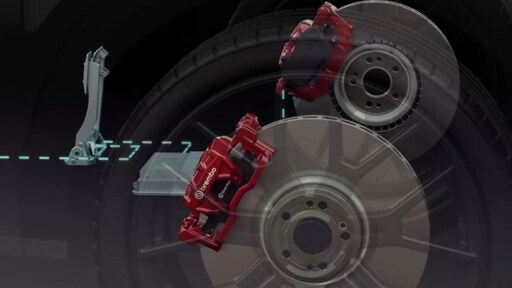
Unless they deliberately put in a part designed to wear out in 5 years, there’s really nothing in an electric motor that would.
Bearings can sieze up, starting capacitors can go. A worn bearing can overheat the windings and cause damage.
Yes, but those are things that can be designed to last decades, at very little cost.
They can’t have perfect quality control for every part that leaves the manufacturer, especially considering the massive temperature fluctuations they might experience, humidity changes, road salt, and the fact its attached to something hitting bumps and potholes at 100+ km/h.
So… how do manufacturers of hydraulic brakes do this?? Or any other safety- critical part on a car?
They don’t. Parts like calipers failing and rotors warping is common.
Well every car has wheel bearings that experience all those same conditions and last hundreds of thousands of miles. Brake calipers can also stop functioning, rubber lines can plug up, people can never change their pads and rotors.
I’ve had a wheel bearing last 20k miles. It depends on the abuse. My ultimate point was that an electronic motor still has several possible failure points.